
You’re marketing in a reactive crisis-driven market where homeowners don’t recognize waterproofing needs until emergency water damage occurs. You’ll face skeptical customers who attempt DIY solutions, seasonal demand spikes during storms, and prospects requiring immediate trust-building during stressful situations. Your biggest challenge involves educating homeowners about hidden moisture issues while positioning yourself as the technical expert with specialized diagnostic tools. Success requires transparent pricing, rapid emergency response protocols, and strategic lead capture before problems manifest into costly disasters.
Why Basement Waterproofing Marketing Requires Different Strategies

Unlike conventional home improvement services that customers actively seek out, basement waterproofing operates in a reactive market where homeowners typically don’t recognize they need your expertise until water damage has already occurred.
Basement waterproofing thrives in crisis moments when homeowners discover problems they never knew existed until water appears.
This fundamental difference demands specialized niche marketing approaches that prioritize problem identification over product promotion.
You’re dealing with clients who are often experiencing their first basement water intrusion, making homeowner education essential to your marketing success.
Traditional advertising methods that showcase finished projects won’t resonate with panicked homeowners facing immediate water damage.
Instead, you’ll need educational content that explains moisture indicators, seasonal risks, and prevention strategies.
Your marketing must establish technical credibility while remaining accessible, positioning you as both the diagnostic expert and the trusted solution provider in emergency situations. Effective local SEO strategies ensure your business appears prominently when homeowners in your area search for urgent basement waterproofing solutions.
Given the competitive landscape of the basement waterproofing industry, successful contractors need tailored digital strategies that can effectively reach homeowners during their moment of need.
Target Customers During Peak Water Damage Seasons
You’ll maximize your basement waterproofing leads by aligning marketing campaigns with seasonal water damage patterns that drive homeowner urgency.
Your spring storm preparation outreach should launch before March, targeting properties with known drainage issues through geo-targeted ads and direct mail campaigns.
Heavy rainfall and snowmelt seasons create immediate demand spikes—you can’t afford to wait until basements are already flooded to capture these high-intent customers.
Effective local keyword research during these peak seasons helps identify the specific search terms homeowners use when facing water damage emergencies in your service area.
Success requires customized strategies that adapt to changing market conditions and leverage comprehensive digital marketing approaches including SEO, PPC, and content marketing.
Spring Storm Preparation
While winter’s freeze-thaw cycles weaken foundation structures, spring storms deliver the perfect conditions for basement flooding that can drive immediate customer action.
You’ll capitalize on this urgency by positioning your services as preventive solutions rather than reactive repairs.
Your spring marketing strategy should emphasize proactive basement maintenance before storm season intensifies:
- Pre-storm inspections – Market thorough foundation assessments that identify vulnerable areas before heavy rainfall arrives.
- Sump pump testing – Promote system functionality checks and backup installations for power outages during storms.
- Drainage system optimization – Highlight gutter, downspout, and grading improvements that redirect water away from foundations.
- Waterproofing system upgrades – Present interior and exterior sealing solutions that prevent spring storm risks from becoming costly flooding disasters.
Time-sensitive messaging creates purchasing urgency while building trust through preparedness expertise. Your responsive design ensures potential clients can easily access your storm preparation services from any device during emergency situations when they need immediate waterproofing solutions.
Heavy Rainfall Campaigns
Most contractors miss the vital 72-hour window when heavy rainfall transforms potential customers into immediate buyers.
You’ll maximize conversions by launching targeted campaigns within hours of storm damage events, not weeks later when panic subsides.
Deploy geo-targeted ads focusing on recently flooded zip codes. Your messaging should address immediate concerns: “Is your basement safe from the next storm?”
Create urgency through limited-time inspections and emergency services.
Customer education becomes imperative during these high-stress moments.
Develop content explaining why quick action prevents mold, structural damage, and recurring floods.
Share before-and-after photos, testimonials from recent storm victims, and clear explanations of waterproofing solutions.
Monitor weather forecasts and pre-schedule campaigns. When storms hit, you’ll capture motivated prospects while competitors scramble to react.
Snowmelt Season Outreach
Although spring snowmelt creates predictable flooding patterns, many contractors fail to capitalize on this seasonal opportunity that generates consistent lead volumes. You can leverage snowmelt awareness campaigns to position your services before basement emergencies occur, building trust through proactive education.
Effective snowmelt season outreach requires strategic timing and targeted messaging:
- Launch pre-season education campaigns in late winter, explaining how snow accumulation around foundations creates water infiltration risks.
- Develop seasonal promotions offering inspection discounts before peak melt periods begin.
- Create location-specific content addressing your region’s typical snowmelt patterns and basement vulnerability zones.
- Implement early-bird scheduling systems allowing customers to reserve emergency response slots during high-risk weeks.
Your snowmelt awareness messaging should emphasize prevention over reaction, demonstrating technical expertise while offering practical solutions that protect homeowners’ investments.
Combat DIY Mentality With Expert Positioning
When homeowners discover basement moisture issues, they often turn to quick fixes like sealants and dehumidifiers that provide temporary relief at best.
You must establish expert credibility by demonstrating why professional diagnosis matters. Moisture problems stem from complex hydrostatic pressure, foundation settling, or drainage failures that require specialized knowledge to identify and resolve permanently.
Position yourself against DIY solutions by showcasing diagnostic tools homeowners can’t access—moisture meters, thermal imaging, pressure testing equipment.
Document your systematic approach through detailed inspection reports and remediation plans. Client testimonials should emphasize long-term results and peace of mind that DIY approaches couldn’t deliver.
Your marketing must educate prospects about the hidden costs of failed DIY attempts, positioning professional waterproofing as the economical choice.
Build Trust Fast With Stressed Homeowners
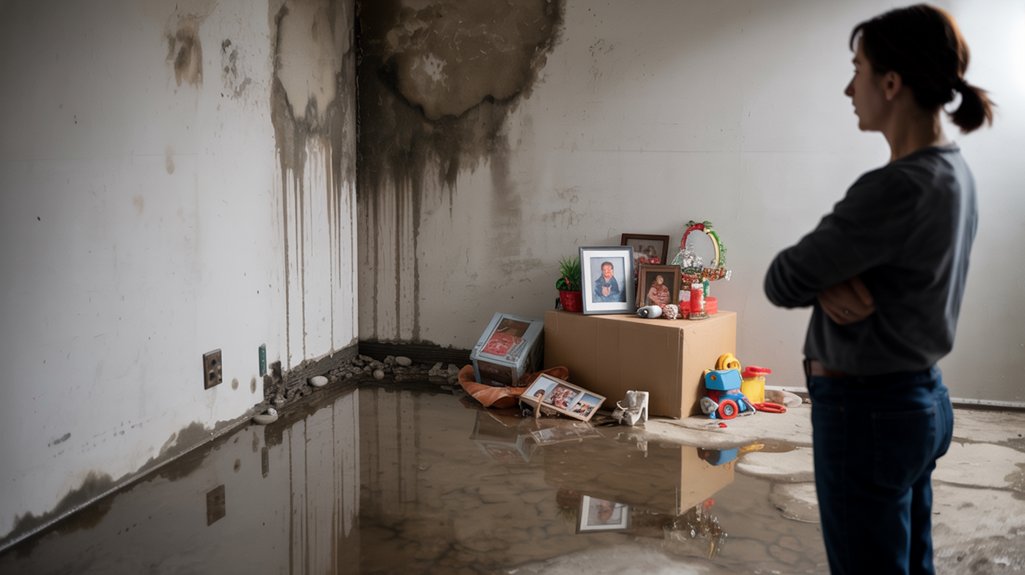
When you’re dealing with homeowners facing water damage, you’re working with people under extreme stress who need immediate reassurance about your capabilities and costs.
Your emergency response communication must demonstrate technical competence while showing you understand the urgency of their situation.
You’ll build credibility faster by providing transparent pricing upfront rather than leaving them wondering about hidden fees during an already overwhelming experience.
Emergency Response Communication
Since water emergencies create immediate stress and panic for homeowners, your communication strategy must establish credibility within the first 60 seconds of contact.
Effective crisis communication requires structured messaging that delivers customer reassurance while demonstrating your expertise.
Your emergency response protocol should include:
- Immediate acknowledgment – Answer calls within three rings and confirm you understand the urgency of their situation.
- Timeline establishment – Provide specific arrival windows and explain your assessment process step-by-step.
- Damage mitigation guidance – Offer actionable instructions homeowners can implement before you arrive.
- Transparent pricing structure – Clearly explain emergency service fees and diagnostic costs upfront.
When homeowners feel heard and guided through structured communication, they’re more likely to trust your expertise during high-stress situations.
Transparent Pricing Upfront
How quickly can you transform a panicked homeowner into a confident client? The answer lies in transparent pricing strategies that eliminate uncertainty during their most vulnerable moment.
When water’s actively damaging their foundation, homeowners aren’t shopping for the lowest bid—they’re seeking trustworthy expertise with clear financial boundaries.
Your transparent pricing strategies should include detailed breakdowns of materials, labor, and timeline costs.
Don’t hide behind “it depends” responses that fuel anxiety. Instead, provide upfront cost clarity through standardized pricing tiers based on common scenarios: minor seepage, moderate infiltration, or major structural issues.
This approach transforms you from another contractor quote into a reliable partner who respects their intelligence and financial concerns during crisis.
Capture Leads Before Basements Start Leaking
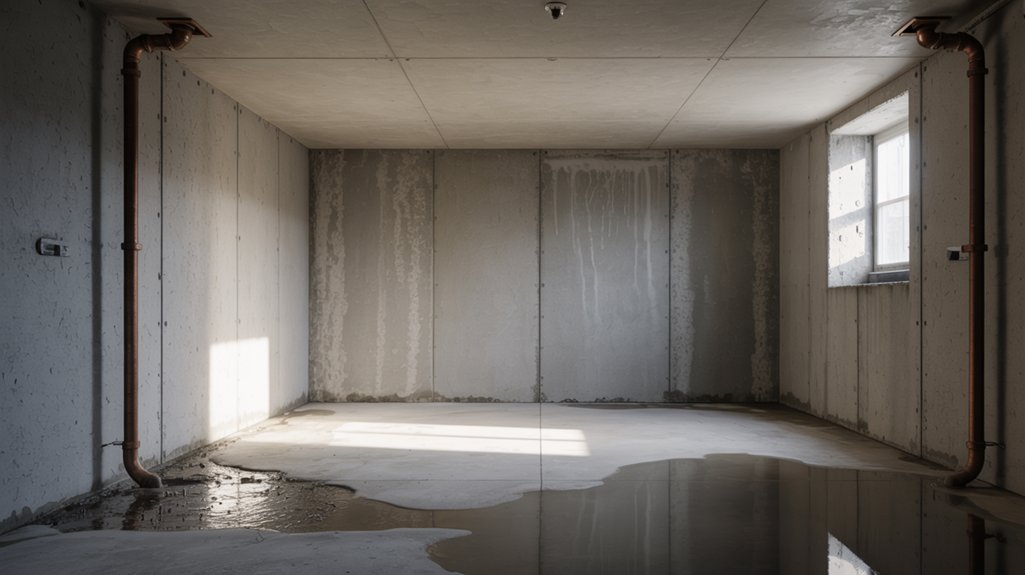
Here’s how to capture leads before problems develop:
- Create seasonal maintenance checklists that homeowners can download in exchange for contact information.
- Develop foundation inspection guides targeting new homeowners during their first year.
- Offer free moisture assessments as low-pressure entry points into your sales funnel.
- Build educational content around basement humidity control and proper drainage techniques.
This proactive approach establishes trust while positioning you as the knowledgeable expert rather than just another emergency service provider.
Price Waterproofing Services Without Losing Prospects
Although basement waterproofing represents a significant investment for most homeowners, transparent pricing strategies can actually increase your conversion rates rather than scare prospects away.
You’ll build trust by providing clear, itemized estimates that break down material costs, labor, and warranty coverage. This approach enables informed service comparison while demonstrating your expertise and professionalism.
Implement tiered pricing options that accommodate different budgets and problem severities. Present competitive pricing confidently by emphasizing value propositions like long-term basement protection, increased property value, and health benefits from moisture elimination.
When prospects understand exactly what they’re purchasing and why it’s priced accordingly, they’re more likely to move forward. Avoid vague estimates that create uncertainty and encourage them to seek multiple bids from less transparent competitors.
Turn Emergency Calls Into Repeat Basement Clients
When emergency water intrusion strikes a basement, you’re witnessing a homeowner’s most vulnerable moment—and your greatest opportunity to establish long-term client relationships.
Converting distress calls into lifetime customers requires strategic follow-up beyond immediate repairs.
Emergency repairs are just the beginning—true business growth happens when you transform crisis moments into enduring partnerships.
Build lasting customer loyalty through these proven strategies:
- Document everything – Photograph damage progression, moisture readings, and repair stages to demonstrate your thoroughness and create educational materials for future consultations.
- Schedule preventive inspections – Offer quarterly or annual checkups to identify potential issues before they become emergencies, positioning yourself as their trusted waterproofing advisor.
- Implement structured referral programs – Provide incentives for satisfied emergency clients to recommend your services, leveraging their emotional connection to your crisis response.
- Follow up consistently – Contact clients after repairs to verify satisfaction and remind them about additional waterproofing services.
Frequently Asked Questions
How Long Should Basement Waterproofing Warranties Last to Stay Competitive?
You’ll maintain competitive pricing while building trust by offering 10-25 year warranties on basement waterproofing systems. This warranty duration demonstrates confidence in your technical solutions and positions you competitively against industry standards.
What Certifications Do Basement Waterproofing Contractors Need for Credibility?
Like medieval guilds once required, you’ll need IICRC water damage restoration certification, basement waterproofing manufacturer credentials, and state contractor licenses. These certification processes and ongoing contractor education establish your technical expertise and build essential customer trust.
Should Contractors Offer Financing Options for Expensive Waterproofing Projects?
Yes, you should offer financing options since customer perception improves when waterproofing investments become manageable. Financing benefits include increased project approval rates, higher average sales, and enhanced trust through payment flexibility solutions.
How Can Contractors Handle Negative Reviews From Failed Waterproofing Jobs?
Don’t let negative reviews sink your ship. You’ll need proactive reputation management through transparent customer communication, detailed documentation of your processes, and immediate response protocols that demonstrate your commitment to resolving waterproofing failures professionally.
What Insurance Coverage Is Required for Basement Waterproofing Contractor Businesses?
You’ll need extensive liability insurance covering property damage, bodily injury, and completed operations. Policy requirements typically include $1-2 million coverage limits, plus workers’ compensation and professional liability protection for waterproofing-specific risks.